
The Anatomy of a High-Stakes Film: 6 Steps to Pre-Production
Most business films don’t fail because of a bad camera or a missed focus pull. They fail three weeks before the lights even turn on, usually because the project was treated as a "video shoot" rather than developing a strategic asset. The failure rarely announces itself on production day.

It actually shows up later: in a final cut that doesn’t quite land and is quietly forgotten. Trace it back to the root cause, and almost always you’ll find the same culprit—key strategic decisions that weren’t made early enough.
Pre-production is where the soul of a film is either captured or lost. When it’s done right, the shoot runs efficiently and the final video delivers results. Here are the six steps that separate a polished deliverable from a lasting legacy.
1. Shift from Storyboarding to Story-Finding
A storyboard is a great tool for a 30-second commercial where every frame is controlled. But for a high-stakes film, a storyboard can actually be a trap.
Instead of drawing boxes, start by defining the 4 Pillars: People, Plot, Places, and Purpose.
Purpose: What is the "Expensive Problem" this film solves? Are we just telling a story, or are we training the next generation to think like the founders?
People: Who has the most at stake?
Places: What locations can carry the visual weight of what the film is trying to say?
Plot: What is the emotional arc, not just the sequence of events?
The Goal isn’t to just map visuals; you’re mapping the emotional arc of the story.
2. Identify Your Visual Anchors
In a city like Orlando, it’s easy to default to "Corporate Beige" or "Theme Park Bright." But a high-level film requires more — locations that don't just look good, but actually reinforce the authority of the story.
If you’re documenting a skyline-shaping career, a glass-and-steel boardroom isn't just an office; it’s a character. It gives the big-picture context that makse the personal stories told inside it actually land, that’s what we mean by “Visual Anchors.” 3. The Wardrobe: Decisions, Not Suggestions
Every visual element in the frame is a decision. If it isn't helping the story, it’s a distraction.
The Moiré Effect: Avoid tight patterns or small checks. They create a "vibrating" effect on digital sensors that can be incredibly distracting for the viewer.
The "Floating Head": Ensure there is contrast between the subject and the background. A dark suit against a dark wall might look "cinematic" in theory, but it often results in a subject that looks like they’re disappearing into the void.
The Sound of Style: Remind participants to avoid "noisy" accessories. A stack of bangled bracelets or a heavy leather jacket can create a soundscape that fights against the clarity of the interview.
4. Protect the Brand Before Production Starts

Permits, appearance releases,insurance—none of these elements are complicated. But discovering you didn't have the right location permit after you've scheduled a full crew is an expensive problem to solve at the last minute. Handling them early isn't just logistics — it's brand protection.
High-stakes films often involve high-profile people and sensitive locations. Ensuring that these details are in place before the first frame is shot creates a professional environment where the subjects feel safe to be vulnerable and honest.
5. Build a Schedule that Protects "Micro" Moments
A production schedule is often viewed as a way to "get through the shots." That’s a mistake. A great schedule is a shield that protects the time needed for the unscripted, "Micro" moments.
If you schedule an interview for 60 minutes and expect to get 60 minutes of "gold," you’ll be disappointed. The first 20 minutes are usually just the subject getting comfortable with the lights. The real truth—the "early days" stories or the "in the room" tension usually happens in the final 15 minutes. Build your schedule to allow for that "slow down" moment.
6. The "No Questions" Rule
This is the most counter-intuitive step, but the most vital: Never send exact interview questions in advance.
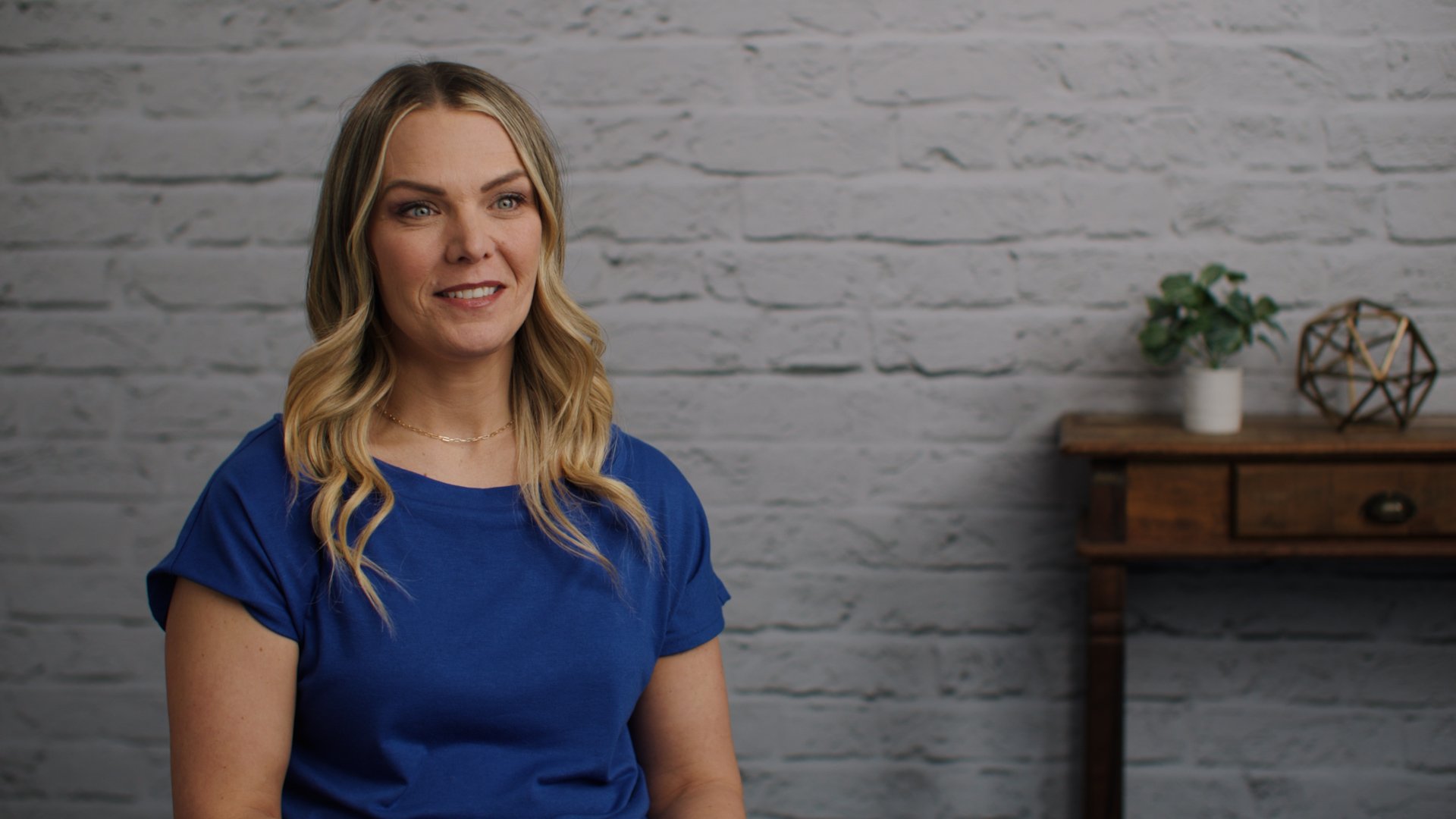
When a subject has the questions, they prepare "perfect" answers. They rehearse. And when people rehearse, they stop being humans and start being PR machines. You get the factual version of the story, but you lose the (the heart).
Instead, share themes. Tell them, "We’re going to talk about the early days of the company," or "We want to explore the philosophy behind your leadership." This allows them to be present, engaged, and most importantly authentic.
The Bottom Line
Pre-production isn't about controlling the shoot; it’s about building a framework so strong that it allows for spontaneity. When the logistics are handled and the architecture is set, you stop "making a video" and start capturing a legacy. See what it looks like when you build the story first. Download the Winmark case study and see the impact for yourself.